
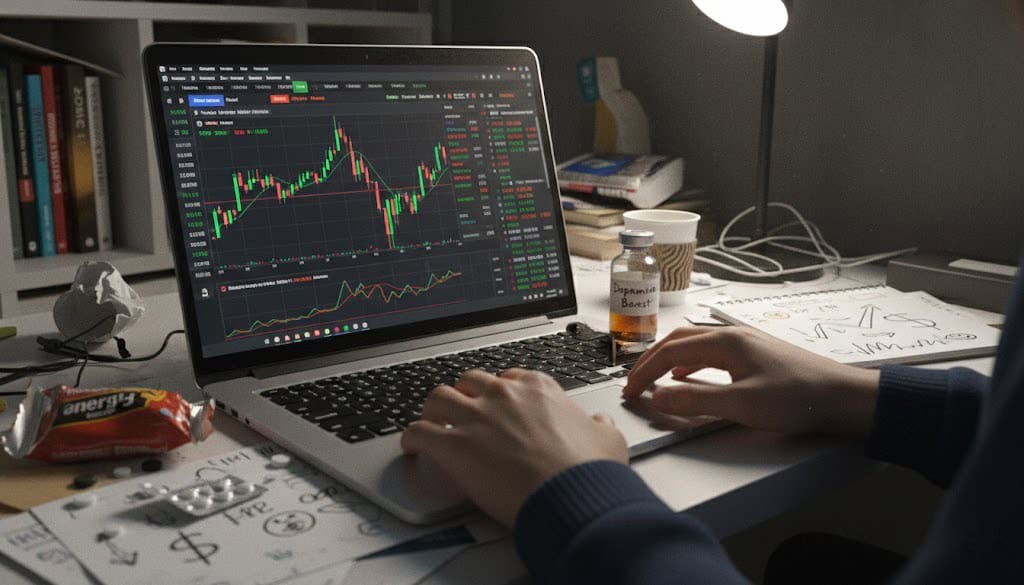
How Dopamine Affects Trading Decisions
In the fast-paced world of trading, split-second decisions can mean the difference between profit and loss. But what drives these decisions on a neurological level? While traditional financial theory emphasizes rationality and analysis, neuroscience tells a different story. At the heart of many trading behaviors is dopamine—a neurotransmitter that governs pleasure, reward, and motivation. Understanding how dopamine influences trading decisions can shed light on why traders often chase quick wins, engage in compulsive behavior, and sometimes make decisions that defy logic.
The Role of Dopamine in the Brain
Dopamine is often called the “feel-good” chemical, but its role extends far beyond simply making us feel happy. Produced in several areas of the brain, including the substantia nigra and the ventral tegmental area, dopamine plays a central role in:
- Reward Processing: Dopamine is released when we experience something pleasurable or achieve a goal.
- Motivation and Goal-Directed Behavior: It encourages us to pursue activities that are rewarding.
- Learning and Anticipation: Dopamine helps us predict future rewards based on past experiences.
This system evolved to help humans seek out survival-promoting behaviors, such as eating, social bonding, and reproduction. However, modern stimuli, like trading platforms or digital media, hijack this system, leading to compulsive behaviors that may not serve long-term well-being.
Dopamine and Compulsive Behavior
One of the clearest examples of dopamine-driven compulsive behavior is pornos consumption. Studies show that viewing sexually explicit material triggers dopamine release in the brain’s reward centers. This release creates a strong sense of pleasure and reinforces the behavior, making the viewer likely to seek out the experience repeatedly.
However, this feedback loop can escalate:
- Anticipation: Even before engaging with the content, the brain anticipates pleasure, causing a pre-release of dopamine.
- Reward: The act of consumption delivers a dopamine spike.
- Tolerance and Escalation: Over time, the brain requires more stimulation to achieve the same dopamine response, leading to increased consumption.
- Compulsive Seeking: The behavior shifts from voluntary to compulsive, often overriding rational judgment.
This cycle is remarkably similar to patterns observed in other behaviors, such as gambling, gaming, and, crucially, trading.
The Dopamine-Driven Mind of a Trader
Trading is inherently rewarding. The thrill of predicting market movements and the potential for monetary gain activates the brain’s reward system in ways similar to pornography or gambling. When a trader experiences a profitable trade, dopamine is released, creating a sense of euphoria and reinforcing the behavior. This reinforcement can lead to several observable patterns:
- Chasing Quick Wins: Just as a dopamine spike encourages repeated behavior, traders often chase fast profits, hoping to recreate the pleasurable sensation of a previous win.
- Overtrading: Continuous engagement in trading, even in unfavorable conditions, mirrors compulsive patterns seen in addictive behaviors.
- Ignoring Risk: The anticipation of reward can overshadow rational risk assessment, causing traders to take positions they wouldn’t normally consider.
The Reward Prediction Error
Dopamine release is particularly influenced by the concept of reward prediction error. This occurs when there is a mismatch between expected and actual outcomes:
- Positive Prediction Error: A better-than-expected result triggers a dopamine surge, reinforcing the behavior.
- Negative Prediction Error: A worse-than-expected result causes a drop in dopamine, often prompting corrective action or, paradoxically, riskier bets to recapture lost pleasure.
This mechanism explains why traders might double down after losses or chase volatile trades: the brain is seeking the dopamine hit that a successful trade provides.
High-Frequency Trading and Dopamine Feedback Loops
Modern trading platforms amplify dopamine-driven behavior. Features like real-time updates, instant notifications, and gamified interfaces create a feedback loop similar to social media and video games. Each price alert, executed trade, or sudden market movement offers the brain a small, frequent dopamine boost. This is particularly pronounced in high-frequency or day trading, where rapid trades generate a steady stream of reward signals.
Key Points of Dopamine Amplification in Trading:
- Instant Gratification: Unlike traditional investing, where results may take weeks or months, modern platforms offer immediate feedback.
- Visual Stimuli: Color-coded charts, flashing alerts, and profit/loss counters provide constant visual cues that stimulate the reward system.
- Social Comparison: Seeing other traders’ successes (e.g., via forums or social media) can trigger dopamine-related envy and competitive behavior.
Together, these factors create a potent environment for compulsive trading patterns.
Cognitive Biases and Dopamine
Dopamine does not act in isolation. It interacts with cognitive biases, subtly skewing decision-making. Some dopamine-influenced biases include:
- Overconfidence Bias: A profitable trade triggers dopamine, which can inflate confidence and encourage excessive risk-taking.
- Recency Bias: Recent wins or losses disproportionately influence decisions, as dopamine reinforces the memory of these emotional highs or lows.
- Gambler’s Fallacy: The brain expects a reward after a series of losses, driven by the anticipation of dopamine release.
- Confirmation Bias: Dopamine makes traders more likely to seek information that supports their prior trades or predictions.
By understanding these biases, traders can better recognize when dopamine-driven impulses are clouding judgment.
Long-Term Consequences of Dopamine-Driven Trading
While dopamine can motivate and enhance performance in moderate amounts, overreliance on dopamine-driven decision-making carries risks:
- Emotional Volatility: Traders may experience highs and lows akin to mood swings, leading to inconsistent strategies.
- Financial Losses: Chasing short-term wins can undermine long-term profitability.
- Addictive Patterns: Trading behavior can mirror gambling addiction, with compulsive engagement, tolerance, and withdrawal symptoms.
- Mental Health Strain: Chronic stress, anxiety, and even depression can emerge from repeated dopamine-driven cycles without balanced coping mechanisms.
Strategies to Mitigate Dopamine-Driven Impulses
Recognizing the neurological underpinnings of trading behavior is the first step toward mitigating impulsive decisions. Several strategies can help:
1. Mindful Trading Practices
Mindfulness encourages awareness of emotional and physiological responses, helping traders recognize dopamine-driven urges before acting impulsively. Techniques include:
- Pausing before executing trades
- Observing physical cues (e.g., heart rate, tension)
- Reflecting on the long-term impact rather than immediate gratification
2. Structured Trading Plans
A well-defined plan with clear rules for entry, exit, and risk management reduces the influence of emotional impulses. By sticking to predetermined guidelines, traders can override dopamine-driven desires.
3. Risk Management Techniques
Implementing stop-losses, position sizing, and portfolio diversification helps mitigate the impact of compulsive decisions. These tools act as safeguards against overtrading and chasing short-term gains.
4. Cognitive Reframing
Reframing how success is perceived—focusing on process rather than outcomes—reduces the intensity of dopamine-driven highs and lows. For instance, valuing disciplined execution over a single profitable trade creates a more stable reward system.
5. Technology Interventions
Some traders use automated systems or algorithmic trading to minimize emotional involvement. By delegating execution to pre-programmed rules, the influence of dopamine-driven impulses is reduced.
Lessons from Neuroscience: Applying Dopamine Insights to Trading
Understanding dopamine’s role provides several actionable insights:
- Recognize Compulsive Patterns: Awareness of dopamine-driven behavior helps identify when trading decisions are emotionally motivated rather than rational.
- Use Rewards Wisely: Structuring rewards (e.g., celebrating disciplined trades rather than just profitable ones) leverages dopamine positively.
- Balance Stimulation: Avoid overexposure to rapid trading feedback loops that create excessive dopamine spikes.
- Learn from Other Fields: Studies on addiction, gaming, and pornography provide a framework for understanding compulsive behavior and self-regulation.
Case Study: Dopamine in Action in Day Trading
Consider a day trader, Alex, who notices a sudden surge in a tech stock. Buying in results in a small profit within minutes. The dopamine spike reinforces the behavior, making Alex more likely to chase similar rapid trades throughout the day. By evening, after a few losses, Alex experiences frustration but continues trading, hoping to recapture the earlier high. This pattern exemplifies the dopamine feedback loop:
- Anticipation → 2. Reward → 3. Escalation → 4. Compulsion
Without mindfulness or a structured plan, Alex’s trading decisions are guided more by neurological impulses than market fundamentals.
The Future of Trading Psychology
As neuroscience advances, understanding the brain’s role in trading will become increasingly important. Technologies like neurofeedback and wearable monitoring may allow traders to observe dopamine-driven arousal in real-time. Integrating these insights with behavioral finance could lead to:
- Improved self-regulation strategies
- Enhanced trading algorithms that account for human bias
- Better educational tools for novice traders to manage emotional impulses
By combining neuroscience with trading, we can bridge the gap between human behavior and rational market theory.
Conclusion
Dopamine profoundly influences trading decisions, often driving behaviors that traditional financial models cannot explain. Like pornography or gambling, trading can create powerful reward loops that encourage compulsive behavior, quick-win chasing, and emotional decision-making. By understanding the neuroscience behind dopamine, traders can recognize these patterns, mitigate impulsive actions, and adopt strategies that balance reward-driven motivation with rational risk management.
Ultimately, successful trading is not just about market knowledge—it’s about understanding yourself and the neurochemical forces shaping your decisions. Awareness of dopamine’s influence transforms trading from a reactive pursuit of pleasure to a disciplined, mindful practice capable of long-term success.